June 24, 2026
A house fire can be one of the most devastating events a homeowner experiences. Beyond the immediate danger, fires often leave behind extensive structural damage, smoke contamination, and the loss of personal belongings. In the aftermath of such an event, many homeowners begin asking important questions about what protections are available through their coverage. Understanding how a homeowners insurance company typically approaches fire-related claims can help property owners feel more informed before a loss occurs.
Fire damage coverage is often one of the most significant protections associated with residential policies. However, coverage details can vary based on policy terms, exclusions, and specific circumstances surrounding the incident. Homeowners who understand these factors are often better prepared when evaluating their coverage needs. Knowing what questions to ask can make a meaningful difference when reviewing policy documents.
According to the U.S. Fire Administration, there were 565 home fire fatalities in the United States in 2025. This statistic highlights the serious risks associated with residential fires and the importance of understanding available protections. While no homeowner expects a fire to occur, preparation and awareness remain essential. Learning how a homeowners insurance company generally handles fire damage claims is an important part of responsible homeownership.
Reviewing Property Damage Coverage After Fire Events
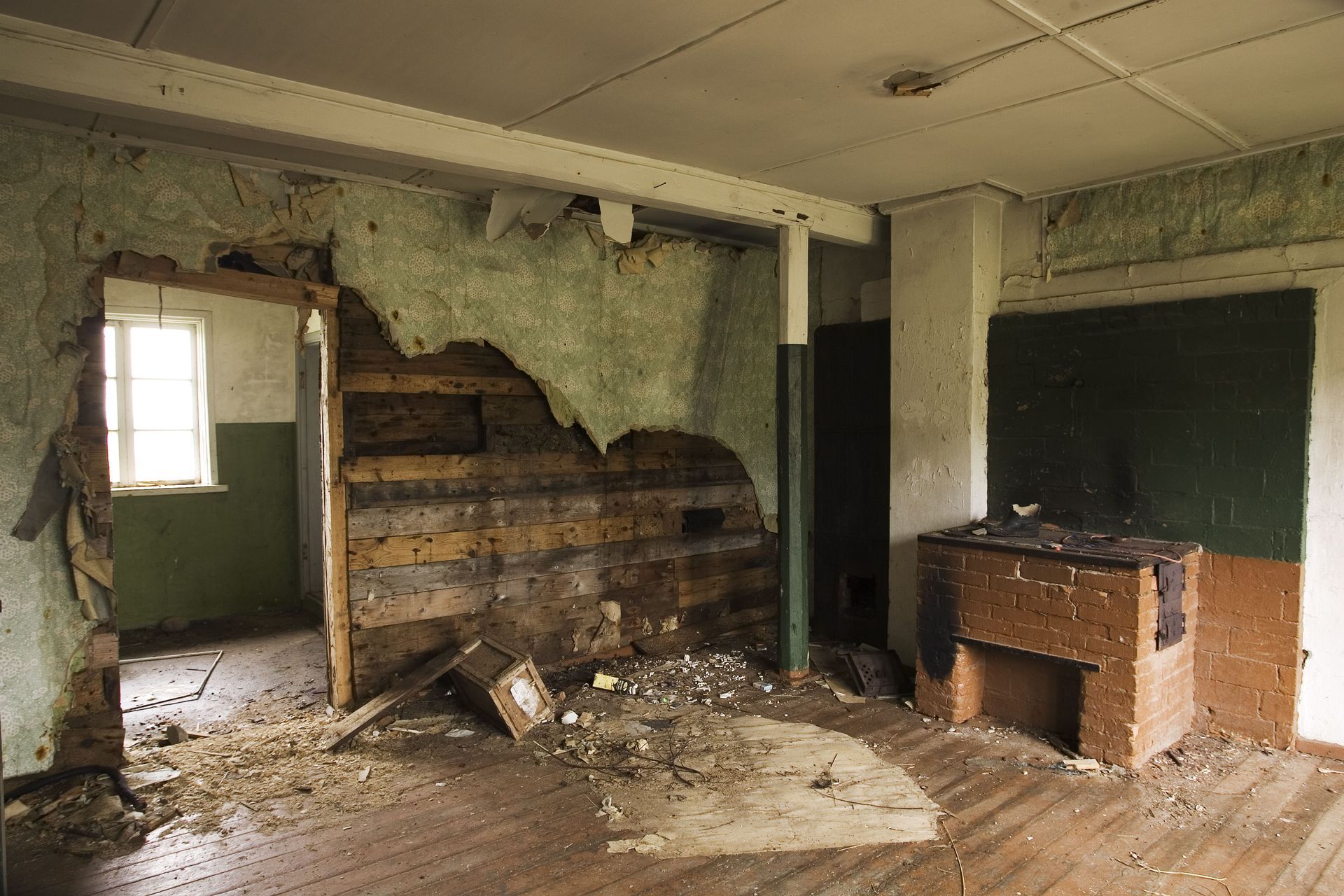
One of the primary concerns following a fire is the condition of the home's structure. Walls, roofing systems, flooring, electrical components, and other building materials can suffer extensive damage. A homeowners insurance company typically evaluates the extent of structural loss when processing a fire-related claim. This assessment helps determine what portions of the property may qualify for coverage.
Fire damage is often not limited to areas directly affected by flames. Heat, smoke, and soot can spread throughout the structure, impacting rooms far from the origin of the fire. These secondary effects may contribute significantly to overall restoration needs. Understanding how damage is assessed helps homeowners gain a clearer picture of the claims process.
Professional evaluations often play an important role in documenting losses. Inspectors may review structural conditions, identify safety concerns, and estimate the scope of restoration required. A homeowners insurance company generally relies on this information when reviewing the claim. Thorough documentation supports a more complete understanding of the damage involved.
Evaluating Personal Property Coverage Following Fire Losses
In addition to structural damage, house fires frequently affect personal belongings. Furniture, electronics, clothing, appliances, and household items can all be damaged or destroyed during a fire. A homeowners insurance company often reviews personal property losses separately from structural damage. This distinction allows different categories of losses to be evaluated appropriately.
Documenting personal belongings before a loss occurs can be beneficial when filing a claim. Photographs, inventories, and purchase records may help establish ownership and condition. While homeowners hope they never need this information, maintaining records can simplify the claims process if a fire occurs. Accurate documentation often supports a more efficient review.
Some belongings may sustain direct fire damage, while others may be affected by smoke or water used during firefighting efforts. These various forms of damage are typically considered during claim evaluations. A homeowners insurance company reviews available evidence to determine the extent of covered losses. Understanding this process helps homeowners better prepare for potential claim situations.
Understanding Temporary Living Arrangements During Recovery
After a significant fire, homeowners may be unable to remain in their residence while restoration work takes place. Structural damage, smoke contamination, and safety concerns can make the home temporarily uninhabitable. In these situations, a homeowners insurance company may evaluate provisions related to temporary living arrangements. Understanding how this aspect of coverage works can be valuable.
Temporary relocation can involve a variety of accommodations depending on the circumstances. The duration of displacement often depends on the extent of the damage and the scope of necessary repairs. Homeowners frequently face challenges maintaining normal routines while restoration is underway. Knowing how these situations are generally handled can provide additional clarity.
The recovery process may take weeks or even months depending on the severity of the fire. During this period, communication and documentation remain important. A homeowners insurance company typically reviews eligibility based on policy provisions and claim details. Understanding these considerations helps homeowners prepare for potential disruptions following a fire.
Examining Common Causes of Residential Fire Claims
Residential fires can originate from many different sources. Electrical malfunctions, cooking incidents, heating equipment issues, and accidental ignition events are among the most common causes. A homeowners insurance company often investigates the origin of a fire as part of the claims review process. Determining the cause helps establish how coverage provisions apply.
Understanding common fire risks can help homeowners become more aware of potential hazards around the home. Electrical systems, appliances, and heating equipment should all be monitored regularly for signs of wear or malfunction. Awareness plays an important role in reducing fire-related risks. Prevention remains an important aspect of home safety.
Fire investigations may involve professionals who examine evidence and identify contributing factors. Their findings help establish an accurate understanding of how the incident occurred. A homeowners insurance company relies on this information when reviewing the claim. This process supports fair and informed decision-making throughout the evaluation.
Assessing Smoke Damage Beyond Visible Fire Effects
Smoke damage is often more extensive than homeowners initially realize. Even areas untouched by flames may experience significant contamination from smoke particles and soot. A homeowners insurance company generally considers smoke damage as part of the overall fire-related claim evaluation. Understanding this issue helps homeowners recognize the full scope of potential losses.
Smoke can affect walls, ceilings, furniture, fabrics, and personal belongings throughout the home. Odors may persist long after the fire has been extinguished if proper remediation is not completed. Restoration professionals often evaluate both visible and hidden smoke damage when assessing the property. This comprehensive approach supports effective recovery efforts.
The extent of smoke damage may vary depending on factors such as fire size, ventilation conditions, and building layout. Professional assessments help determine the areas affected and the remediation required. A homeowners insurance company reviews this information during the claims process. Recognizing the impact of smoke damage is an important part of understanding fire-related losses.
Exploring the Restoration Process Following Fire Damage
Restoration is often one of the longest phases following a residential fire. Depending on the severity of the damage, the process may involve debris removal, structural repairs, cleaning, and rebuilding efforts. A homeowners insurance company typically reviews restoration plans as part of the claim management process. Understanding these stages helps homeowners prepare for recovery.
The first priority is often securing the property and addressing immediate safety concerns. Damaged areas may need stabilization before restoration can proceed. Once conditions are safe, professionals begin evaluating repair needs and developing restoration strategies. Each step contributes to returning the home to a functional condition.
Communication throughout the restoration process is essential. Homeowners, contractors, inspectors, and claims representatives often work together to coordinate efforts. A
homeowners insurance company may request updates and supporting documentation as work progresses. Staying informed helps homeowners better understand the timeline and expectations involved.
We believe that education and preparation are essential when evaluating coverage for unexpected events such as fire damage. Our goal is to help you feel confident about your protection strategy and understand how your policy may respond in various situations. We take pride in providing personalized guidance and dependable service for every client we serve. Contact All Insurance Access, LLC today to learn more about your coverage options and how we can help you better prepare for the unexpected.